


Community Matters: Humanity desperately needs a different story
Daniel Rossi-Keen
October 8, 2025
Have you ever stopped to think for a second about how a fish experiences water?
Just so we’re clear, I understand that this is an odd question.
Maybe it’s because I am an avid fisherman. Maybe it’s because I am a recovering academic. Or, maybe I just have too much time on my hands. Regardless of the reason, when I’m on the river, I often think about such things.
I wonder what it must be like to be a fish. I wonder what they experience, and what they are thinking when they are ripped out of the water for the first time. I wonder what the difference between water and air feels like for them. I wonder what sort of emotions they feel (do fish have emotions?) when they are finally returned to the river. And, maybe as a way of making myself feel better for abruptly disrupting their normal state of affairs, I wonder whether being caught provides a fish with some sort of newfound appreciation for water that can only be experienced by living, ever so briefly, in its absence.
If I’m being honest, I didn’t come up with such reflections entirely on my own. From time immemorial, proverbs have existed about fish and water. As one such Ethiopian proverb explains, “Fish discover water last.” Or, as the ancient Chinese proverb notes, “If you want to know what water is, don’t ask a fish.”
Though I have been an avid fisherman for as long as I can recall, my first encounter with such thinking about water occurred while taking a graduate course about narrative and storytelling. I first thought about this notion when studying the important role that stories play in shaping how — and what — we think, what we value, who we trust, what we hope, and so much more.
Two decades ago, while taking that graduate course, I discovered the writing of Jerome Bruner. One quote from him, in particular, has stuck with me over the years. “We live in a sea of stories,” Bruner explains. “And like the fish who (according to the proverb) will be the last to discover water, we have our own difficulties grasping what it is like to swim in stories.”
In one way or another, nearly every aspect of my personal and professional life has been shaped by the insight that reading Bruner provided to me some 20 years ago. Both as a scholar and, more recently, as a leader in the field of community development, I have spent significant amounts of time and energy leading initiatives focused on creating dignifying stories about the individuals, organizations, and communities I have the privilege of interacting with.
As one who lives and works in the Rust Belt, it’s very easy to believe, reinforce, and perpetuate stories that make it hard to see our communities as hopeful places that are full of beauty and opportunity. So, as part of my work as a nonprofit leader in such communities, my team and I often talk about disrupting narratives that suggest that our community’s best days are behind it. We regularly talk about storytelling as its own kind of community development project. We relentlessly seek to grow community agency so that residents can tell their own stories about what they want for themselves and their future. We look for and encourage the development of stories that both allow for and demand that our communities see themselves in a new light. And we do all these things because we are convinced changing the stories we tell one another will make it easier and more likely that we can imagine, create, and experience something fuller, richer, and more meaningful in the places we together call home.
As I reflect on both my own community and the broader American experience at present, I — like so many others — am concerned that we are currently swimming in a sea of stories that makes it impossible for us to thrive. I am concerned that we have, as a nation, lost agency over the ways we describe ourselves, one another, and our shared experiences.
Like a fish in water, I am concerned that we are currently swimming in a sea of stories that is so pervasive that we no longer appreciate or even recognize its presence. Of course, the problem is not merely our ignorance to that which is all around us. Rather, we have become like a fish swimming in polluted water. Though such pollution pervades the medium in which the fish exists, they remain aware neither of its presence nor its destructive power.
Day by day, hour by hour, and minute by minute, we are awash with algorithmically reinforced narratives composed of predictable elements. Though the particulars of one story may vary incidentally from another, the plots, characters, settings, conflicts, and themes remain surprisingly constant from one narrative to the next. The story, in its most basic form, goes something like this.
Our nation is in grave danger and those who are different from you are the reason. Those who are different have corrupted all that you love. Though you may not be directly experiencing any danger, you should trust that such danger is out there and will soon become a part of your story. Resisting such danger demands that we must have more of us and less of them. Until that happens, everything you value is at risk. This is not the time for dialogue, nuance, or debate. Too much has already been lost; and so much more is at stake. We must act now.
In one way or another, so much of our current public discourse can be tied back to some element of the broad story I described above. To be sure, there may be nuance, expansion, outliers, or disclaimers here or there that seek to demonstrate greater clarity, depth, or substance behind this central narrative. But, to one degree or another, this has become the water that so many of us are swimming in day after day. Try as hard as you might, one can scarcely escape getting wet.
The greatest danger of swimming in this sea of toxic stories is less about what it actively inclines us to do and think, though that is indeed a grave danger. More and more, I suspect that the greatest danger of living daily inside this predictable story comes from what it makes impossible. The greatest danger, to put it differently, is not what this story illuminates, but what it obscures and what it forestalls.
This month’s edition of “The Bridge” is one admittedly humble attempt to swim in a different sea of stories. Our editorial team has taken seriously the challenge of reframing the plots, characters, settings, conflicts, and themes that are privileged in the pages of this installment. This edition is, one might say, an experiment in subversive storytelling, storytelling that aims to reframe, reclaim, rename, and rediscover fundamental elements of our shared humanity.
When gathering the content contained in this month’s edition, we asked residents to tell us their thoughts about hope, dignity, and community wholeness. We did not ask them to reflect on such things as a way of obscuring the brokenness all around us. Rather we asked them to do these things so that together we might begin again to discover resources for subverting and overcoming such persistent brokenness.
Those who participated in our experiment in subversive storytelling responded beautifully, honestly, and with care. And, along the way, they also provided a series of resources you might wish to use to point yourself and those whom you love away from stories where the plot has already been written.
Simply telling better stories will never be enough to get us out of the cultural bind we find ourselves in at present. But, whatever this next chapter of the human saga holds, I can assure you that the stories we tell ourselves and others will be at the very heart of whatever unfolds.
So then, I ask you to discipline yourselves to invent, share, and live out different stories about what might yet be possible among us. Turn all your attention and creative might to this most fundamental human calling. Recreate with us something noble, just, and worthy of swimming in together.
Nothing less than the future health of humankind is at stake.
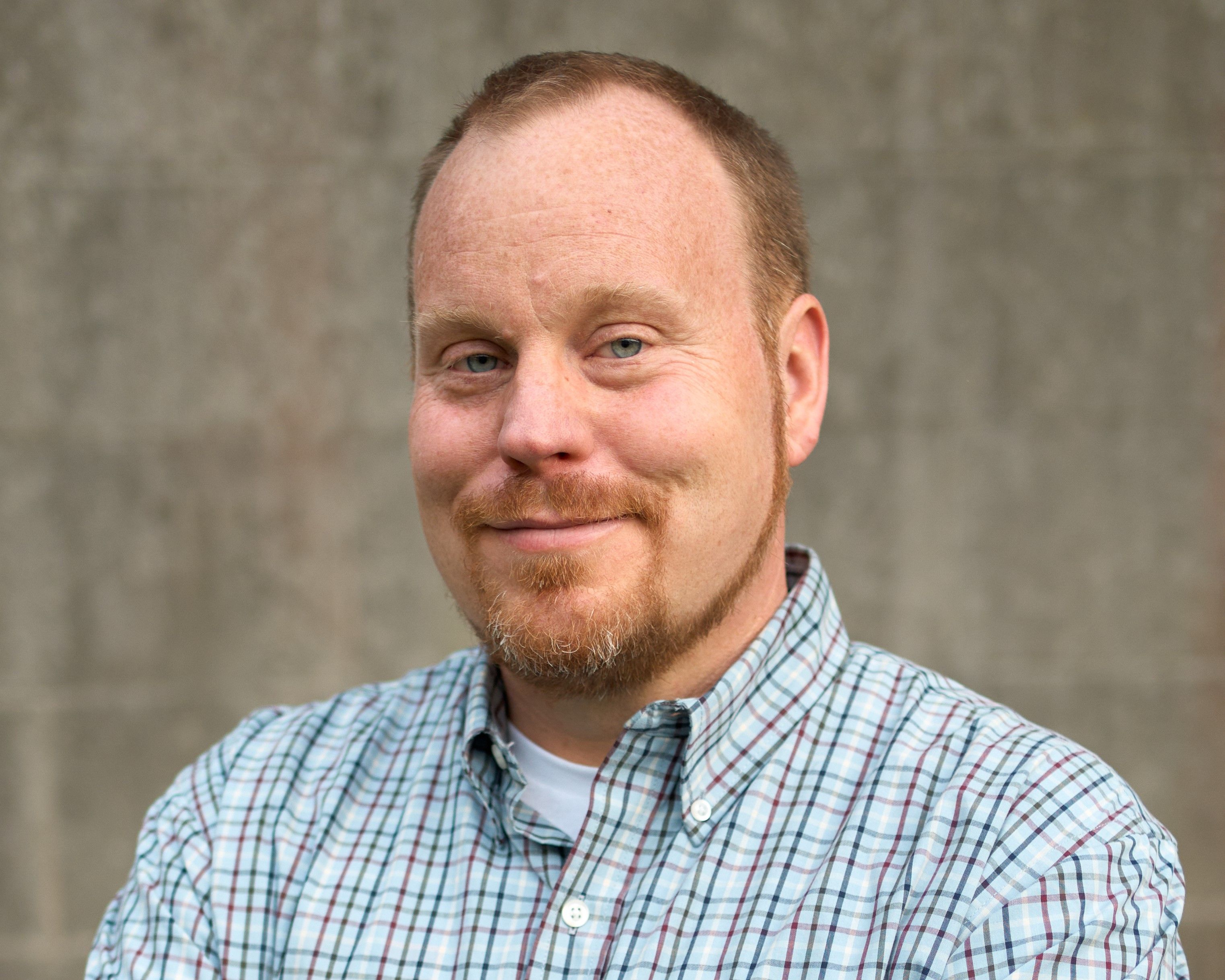
Daniel Rossi-Keen, Ph.D., is an author, speaker, entrepreneur, and community development advocate. He is the executive director of RiverWise, a nonprofit focused on organizing community voice and power so that residents can reclaim agency over the future of Beaver County. Daniel’s writing is featured regularly in “The Bridge,” a publication containing curated news and original stories for, by, and about residents of Beaver County. You can reach Daniel at daniel@getriverwise.com.