


Community Matters: Re-creating local community in a season of national upheaval
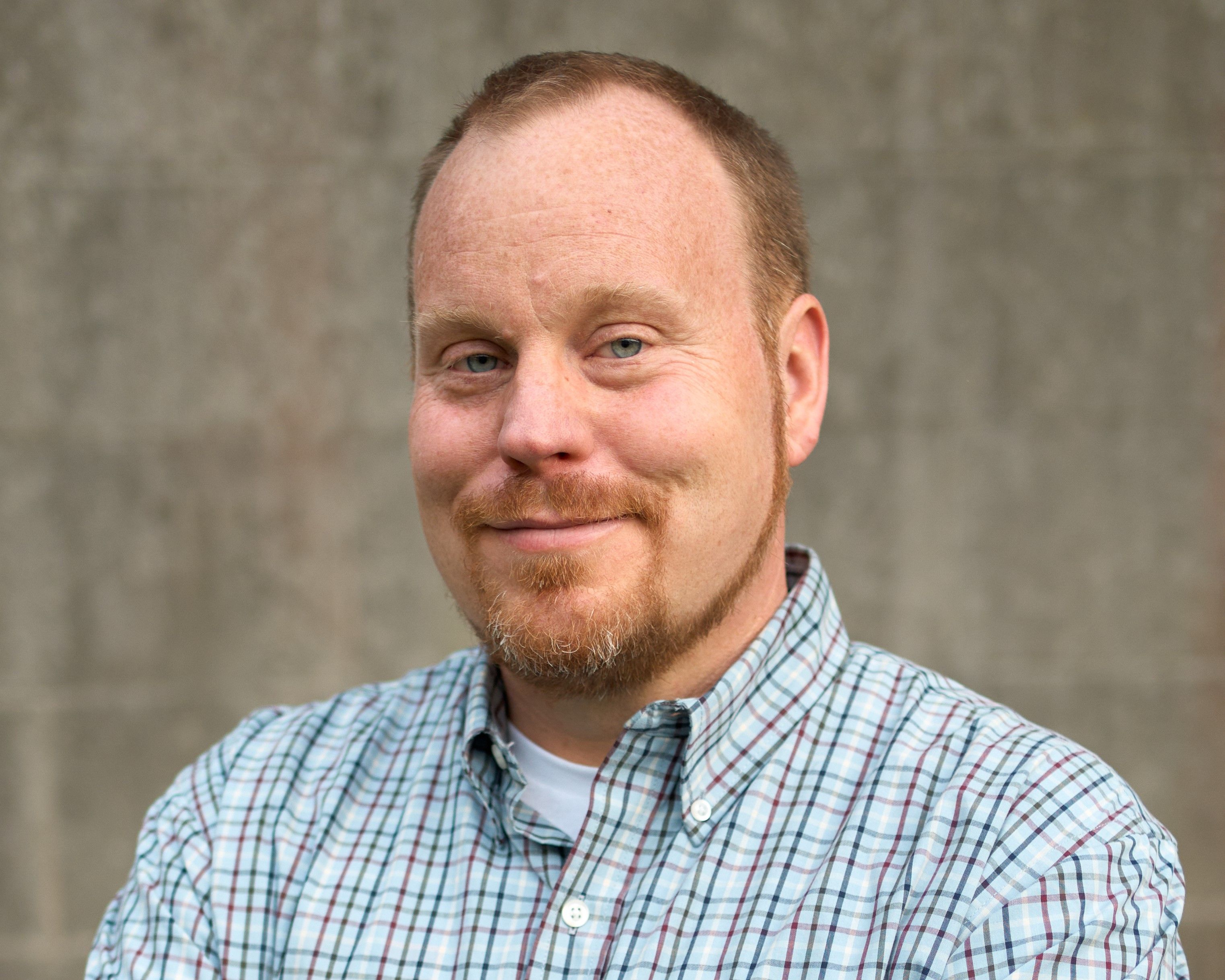
Daniel Rossi-Keen
September 9, 2025
For longer than I care to admit, my basement was overwhelmingly disorganized.
The disorganization in my basement began when we first moved into our home a little more than a decade ago. The area wasn’t large enough for everything I was trying to store in it. I didn’t have the right shelving, containers, or patience to create a good system to manage all the stuff I was trying to shove into such a small space. And, since I didn’t regularly need most of the things I was storing, it made it easy to let the disorganization persist.
Over the years, I initiated various attempts to remedy the situation once and for all. I bought plastic containers in every imaginable size. I purchased all kinds of shelves. Once, I even splurged on an expensive label maker. My intentions were right. My planning, though obviously inadequate, was admirable. And my desire to fix the problem grew with each attempt to remedy the situation. But, despite all my intentions and desires, I regularly found myself overwhelmed at the outset of every effort to address my problematic basement once and for all. I didn’t quite know where to start. I didn’t really have a plan. I tried to get rolling and would work for a while, but inevitably hit a wall and walked away. And so, for more than a decade, my basement persisted in various states of disarray.
Lately, I have been talking to lots of community minded folks who have been feeling similarly overwhelmed about how to respond to the growing division and discord that is increasingly characteristic of our shared human story. If we are to believe national narratives about the state of the world, it appears we have become a nation that is ever more divided, fearful, distrustful, and polarized regarding our vision for what makes communities healthy and vibrant. While it may well be that such national narratives are overly dramatic at times, there remains little doubt that we are experiencing a moment of significant change, upheaval, and divergence of public sentiment about all kinds of crucial issues.
In the face of all this discord, I increasingly encounter community residents, leaders, and organizations who are feeling overwhelmed, disorganized, and unsure how to go about getting unstuck. Much like I was with my basement, many well-meaning citizens find themselves intent on fixing the problem. They are full of desire to do something different. And yet in spite of such intention and desire, they remain unsure of just how and where to start digging out from our current cultural malaise.
As I speak with such members of our communities, I understand all too well what they are feeling, and not just because I lived with a messy basement for many years. The truth is, I too often feel overwhelmed about where to begin digging out from the accumulated mess our nation has made for itself. Disorganization is everywhere. There are far too many things needing to be put back into place all at once. For the most part, we seem to be lacking an actionable vision or plan for how to move forward and begin digging out. And so predictably — and understandably — most of us are left staring at the mess, wishing for something different, but not knowing where to begin or what to do next.
For most of the last year, I have been wrestling with the weight of these questions. I’ve been doing so personally, with my family, with other community leaders, and with my colleagues at RiverWise, the nonprofit organization I have the privilege of leading. You may not be surprised to learn that I have yet to uncover simple answers to any of the questions that many of you are currently asking yourselves and others. The truth is that broken societies don’t get put back together with simple solutions. Our social fabric, once frayed and torn, is not easily patched or stitched back together. Sadly, there are no easy fixes to the cultural mess we are experiencing at present.
I have no intention or desire to oversimplify the severity of the challenges currently facing our nation and its people. To react with platitudes or overly simplistic solutions to such deep fissures is unwise, dangerous, and out of touch with our current moment in history. Decades and generations of labor and reconstruction will be required to move us healthily beyond where history has, at present, delivered us. The immensity of the task ahead of us can scarcely be overstated.
While I have yet to see clearly just what complete healing could possibly look like for our nation, I am increasingly convinced that such a reclamation project must involve a resurgence of community building efforts at the local level. This will, in and of itself, never supplant the need for other kinds of interventions. But, defiant, persistent, and intentional community building at the local level must nevertheless be a relentless strategy for any community and nation seeking to move toward a more healthy version of our shared story.
But, defiant, persistent, and intentional community building at the local level must nevertheless be a relentless strategy for any community and nation seeking to move toward a more healthy version of our shared story.
As I have read over this installment of “The Bridge” I have been reminded afresh of our region’s collective capacity to engage in the kind of defiant, persistent, and intentional community building that I have described above. All around Beaver County, individuals, organizations, and collaborations are actively and strategically asserting ownership over the small piece of our shared story that remains within their control. Despite a tumultuous moment in our nation’s history, educational initiatives, festivals, commerce, activism, and much more characterized our local experience this summer here in Beaver County.
In this moment, when the future appears fraught with insurmountable challenges, we need to lean into those things which remain firmly in our control. Perhaps more than ever, we must grasp afresh the opportunities in front of us, lock arms with those around us, and push our communities forward with every bit of strength we can muster. We must, together, snatch order and purpose out of the jaws of division and chaos. We must discipline ourselves and encourage others to practice service, honor, civil discourse, and honest reflection about what we want for ourselves, our children, and the future of our communities. We must — both despite and precisely because of what is happening at a national level — become hyperfocused on what we still can control, and then work tirelessly alongside our neighbors to create beauty, order, and genuine community right here in the places each of us calls home.
We must, together, snatch order and purpose out of the jaws of division and chaos. We must discipline ourselves and encourage others to practice service, honor, civil discourse, and honest reflection about what we want for ourselves, our children, and the future of our communities. We must — both despite and precisely because of what is happening at a national level — become hyperfocused on what we still can control, and then work tirelessly alongside our neighbors to create beauty, order, and genuine community right here in the places each of us calls home.
It is sadly true that none of these things will, on their own, restore what has been lost. But it is all the more true that such seemingly simple acts of local defiance remain a powerful and constructive form of resistance against further division and destruction of our shared social fabric.
In case you’re wondering, I was finally able to wrestle my basement into submission over the summer. I did so with significant help from my oldest son, who had moved back home for several months. Through a combination of his youthful persistence, my occasional guidance, and a lot of relentless slogging, we were able together to create a kind of order that had for so long eluded me. Together, as our own kind of quirky community, we found resources and motivation that I could not previously muster on my own. Together, we motivated and encouraged each other when the task seemed overwhelming. Bit by bit, and together, we sorted out a series of small messes that had somehow become one really big mess. And by doing so together, we slowly wrangled order out of chaos.
As you read the various stories contained within this installment of “The Bridge,” I encourage you to ask yourself where you can and should be showing up in these stories. Perhaps you might play an active role in helping to encourage something currently in motion. Perhaps you might help provide resources to those already doing the work. Or perhaps you might initiate your own kind of local resistance to those forces intent on dividing our communities. Whatever your most appropriate role, I implore you to lean in, to find your people, and — together — to labor relentlessly to create a more perfect version of the communities we call home.
Daniel Rossi-Keen, Ph.D., is the co-owner of eQuip Books, a community bookstore in Aliquippa and the executive director of RiverWise, a nonprofit focused on organizing community voice and power so that residents can reclaim agency over the future of Beaver County. You can reach Daniel at daniel@getriverwise.com.