

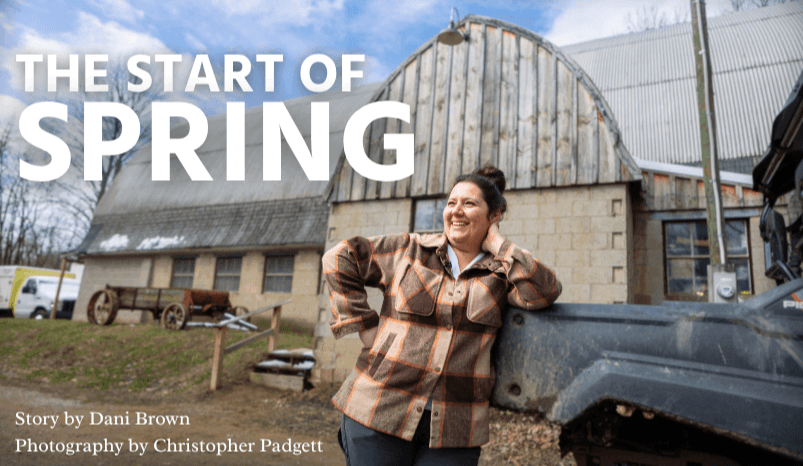
The start of spring at Highland Homestead
Dani Brown
March 25, 2026
HANOVER TWP. — As the weather warms and spring slowly makes its debut, it’s as if the Earth can finally take a deep breath.
Patricia “Trish” Noss, calls spring a “jumpstart.”
“Everything starts with spring,” said Trish, operator of beef cattle and grain farm, Highland Homestead. “There’s new growth, new life. That’s when crops start to be planted and raised. That's when the trees come back to life. That’s when the baby birds show up. That’s when we get our baby pigs. Spring is definitely the jumpstart of the year.”
But even when the snow felt ceaseless and our cars and boots were coated in salt, many farmers are still busy. While many aspects of the Ag industry slow down or stop — like growing and harvesting crops and keeping pasture-raised chickens when it's 2 degrees outside — others accelerate.
In addition to operating Highland Homestead full time with her husband, Bud, Trish also owns a food truck and provides catering during the winter months. She partners with four or five local farms each month to provide a Community Supported Agriculture (CSA) box. And she sells her products at Janoski’s Farm and Greenhouse all year long and at the Sewickley Farmers’ Market over the winter, which remains open on the third Saturday of every month.
And in a little over a month, in Beaver County, farmers’ market season begins.
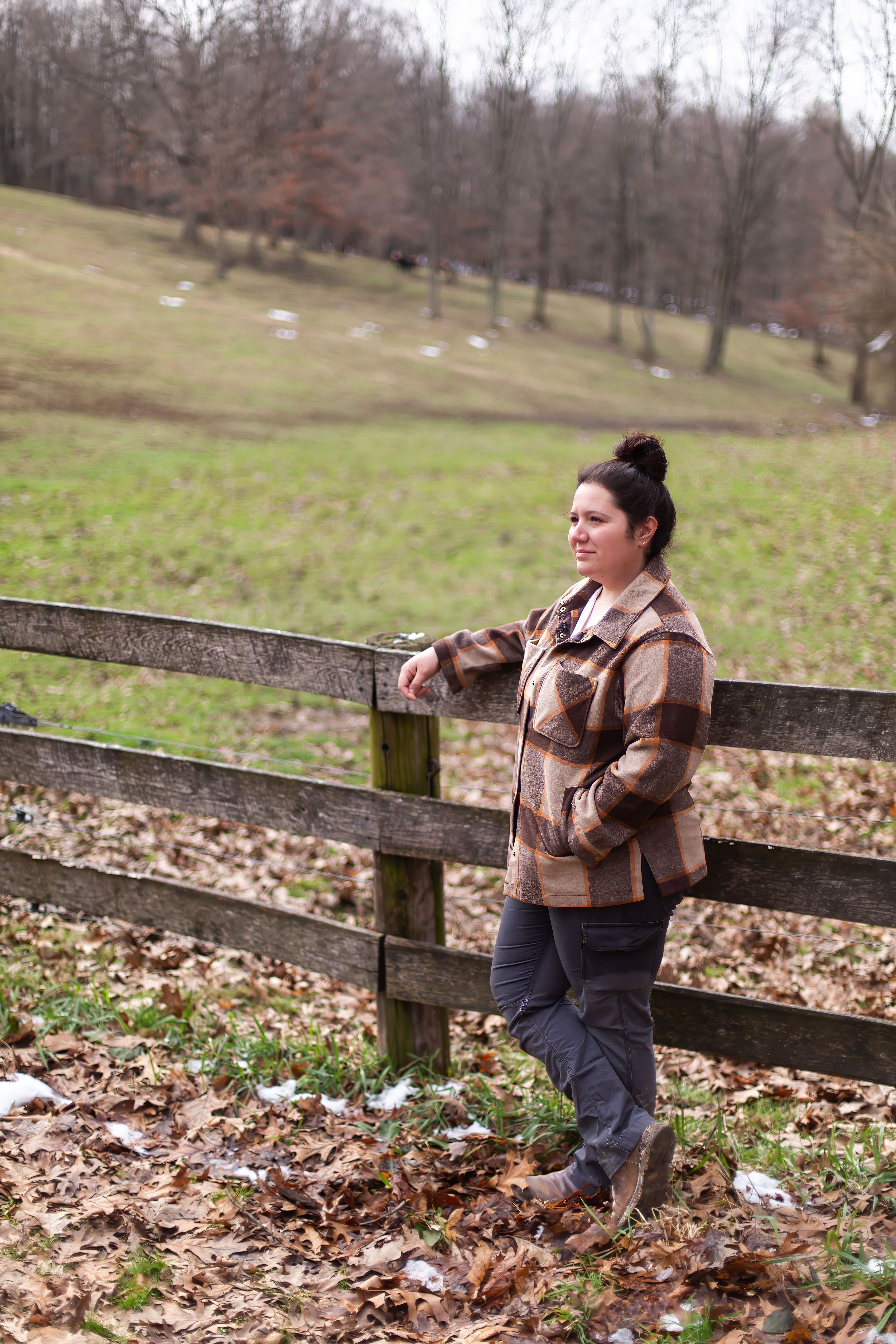
As a full-time farmer — as well as the president of the Beaver County Farmers’ Market and a board member of the Beaver and Lawrence County Farm Bureau — Trish, 32, is often thinking about how she can both keep her business viable for her family and make food more accessible for those who need it.
“We joined the farmers’ market just as vendors to begin with,” Trish said. “And then the more we got into Ag and the more our future kind of depended on it and our viability, I just felt the need to be involved. This is our future. Agriculture in Beaver County is important to me, and if you want it to stay alive and viable, you either help it or you don’t.”
So, when the previous farmers’ market president’s term was up, she decided to run for the role. She is about to enter into the last year of her first three-year term, two of which can be served consecutively.
The paperwork isn’t always fun, Trish joked, but there are “so many things that are.”
“I’ve gotten to connect with so many people, so many farmers. We get the opportunity to try to highlight agriculture in Beaver County and have connections between our community and our farmers — and that’s important to me,” Trish said.
She spearheaded the partnership between the Beaver County Farmers’ Market and RiverWise to accept SNAP benefits at the Ambridge and Chippewa Twp. markets. It was a historical move that made locally-grown produce more accessible in the county. For Trish, the decision was a no-brainer.
“If you can get more good food into the hands of more people, who loses? Nobody,” she said.
Changes in agriculture
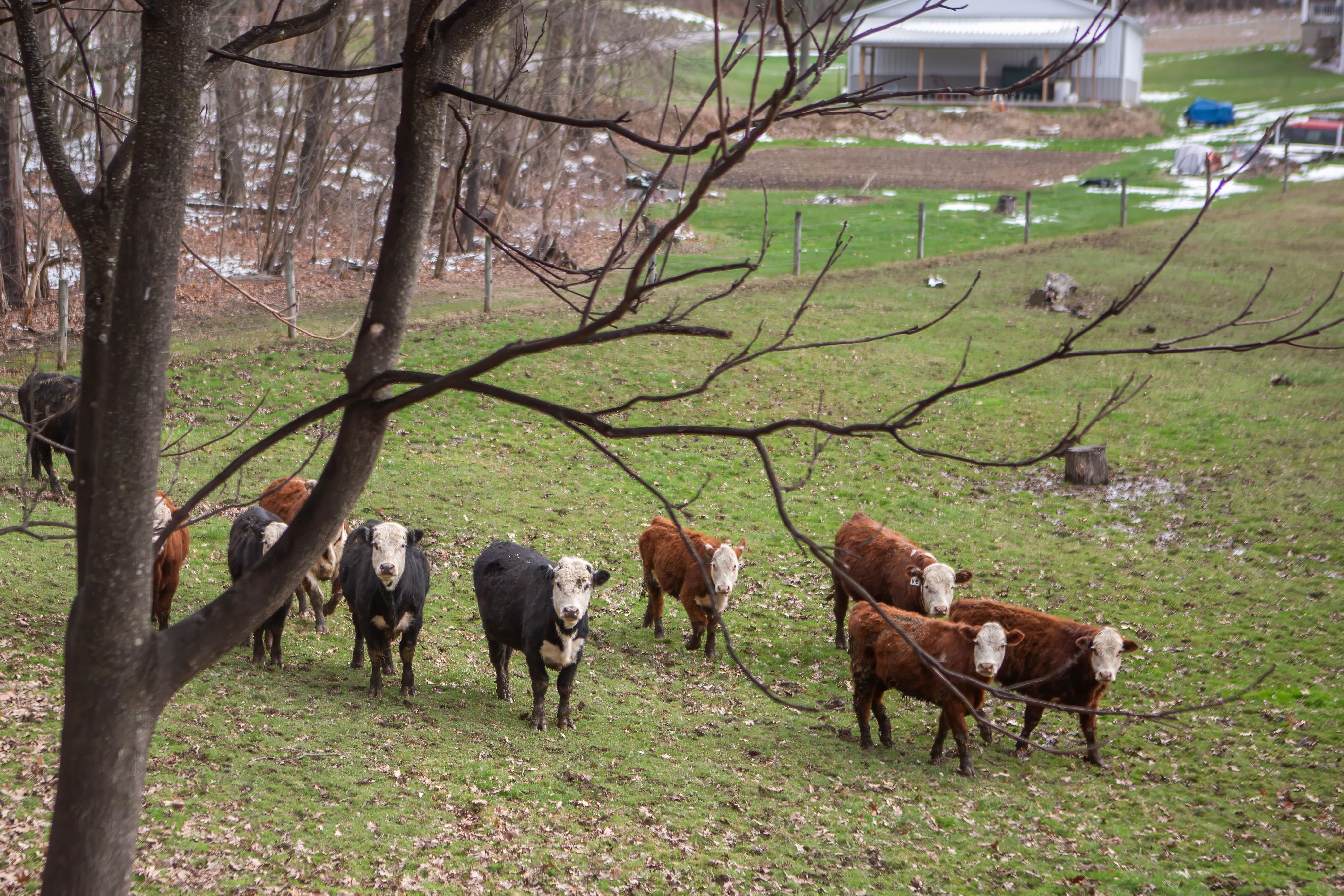
“I’m a first generation farmer. I married into this gig,” Trish said with a laugh as we trekked portions of the 242-acre beef cattle and grain farm. While her mother-in-law Ellen owns the land, she and husband Bud run the farm.
When Trish and Bud started farming together, they wanted to sell their meat directly to the public rather than only offering half and whole cows, and they also wanted to increase what they kept on the land. So, they got a few chickens and pigs. Not long after that, Trish said things quickly took off.
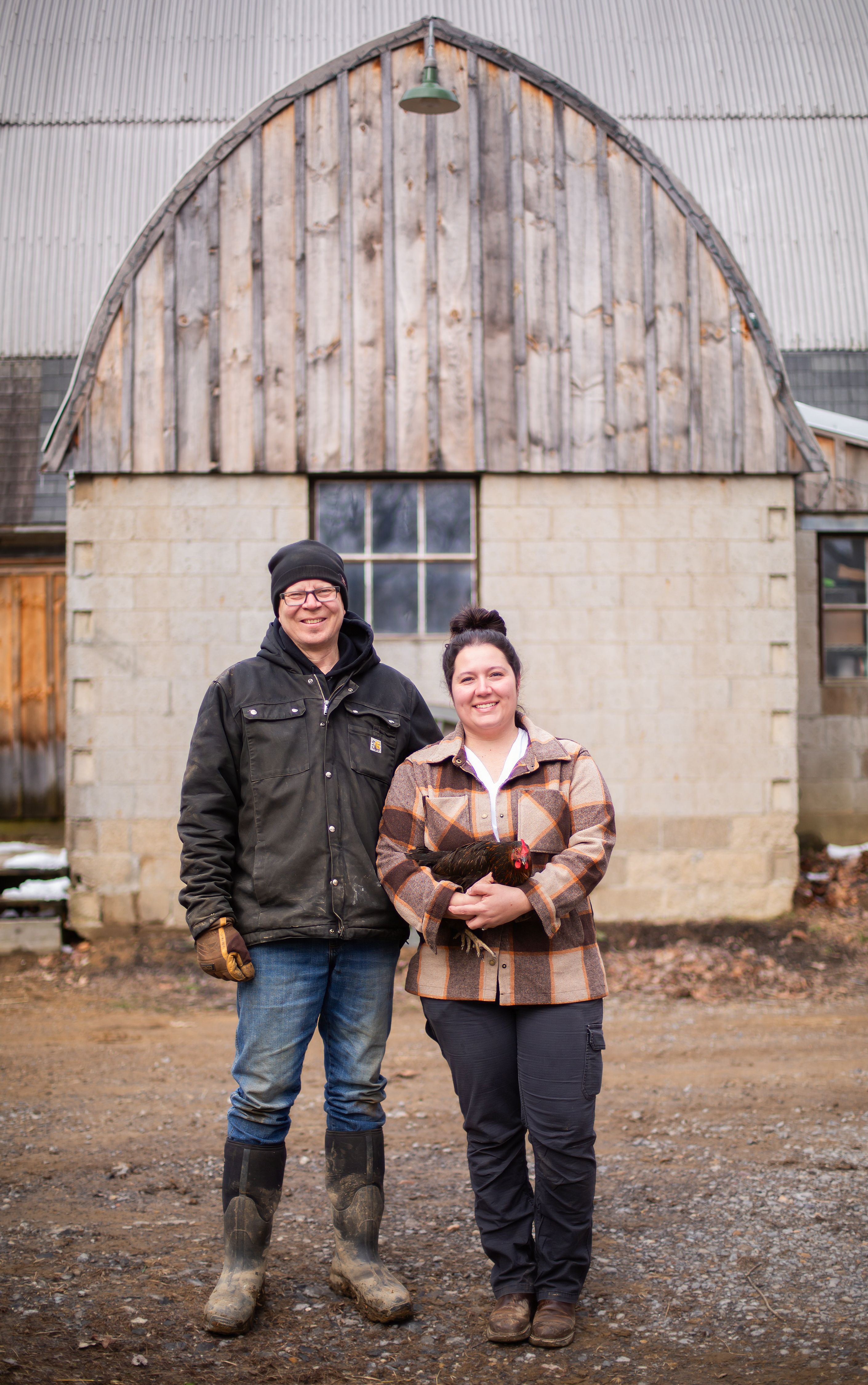
“We went from raising four pigs to 50 pigs,” she said. “We went from raising 100 chickens a summer to now we raise 1,000 every six weeks.”
Trish and Bud didn’t become full-time farmers until the COVID-19 pandemic, which is also when they bought their food truck and continued expanding their business.
The pandemic left no industry — or individual, for that matter — unscathed. But Trish said it caused the public to start asking important questions related to agriculture.
“For the first time people learned about food insecurity,” she said. “For the first time people were asking, ‘Why are the shelves empty at my grocery store’ or ‘Where is my food coming from?’”
In many ways, the pandemic highlighted the need for local farmers. In fact, Trish said there are so many important roles in agriculture, and they’re all needed.
“Everyone’s important,” she said. “There’s not a one-size-fits-all for agriculture at all. We all play our own roles.”
From dairy and cattle farmers to produce farmers and beekeepers to those who own a few chickens — it’s all valuable. In fact, Trish said being a part of agriculture doesn’t even require owning a lot of land.
“I don’t think people actually realize how much they can produce on an acre. It’s very underestimated,” she said. “If your goal is just to provide for your family, chickens are a great place to start. They produce something every day. They don’t take up a lot of room so long as you live wherever that doesn’t have ordinances against them. But even produce, you don’t have to have a ton of property at all to be a part of agriculture.”
According to the 2022 Census of Agriculture by the USDA, the average age of farmers in the U.S. is 58 years old. But recent trends on social media such as the #FarmGirlSummer is romanticizing farming, and some younger women farmers say it’s bringing more visibility to the industry. This article published in The Packer features four farming influencers who discuss why the “farm girl aesthetic” is increasing awareness of Ag.
Social media is also popularizing homesteading, according to an article by the Seattle Times. “Hashtags like #homesteading, #selfsustainable and #offgridliving, with billions of views collectively, have helped homesteading content reach new heights,” the article reads.
For Trish, while romanticizing farm life isn’t necessarily up her alley, she would love to see the younger generations step into the industry.
“Young people definitely have an opportunity in Ag,” she said.
Follow Highland Homestead on Facebook here.